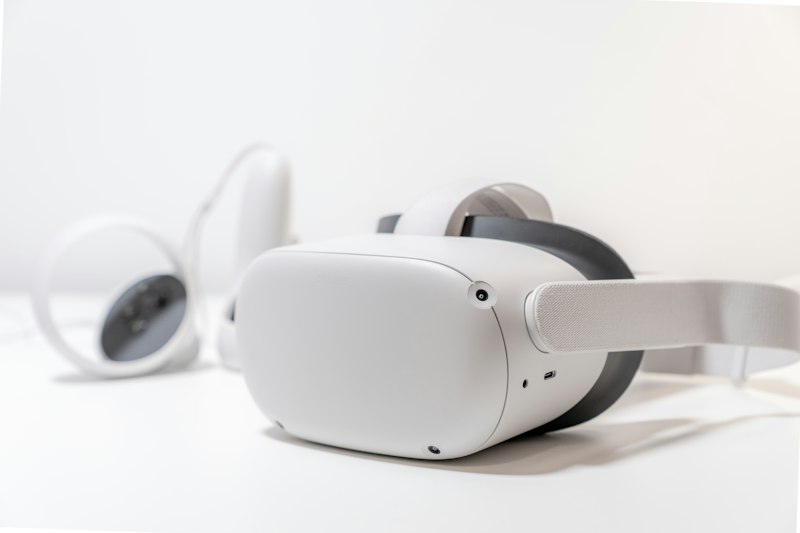
AR Development Fundamentals
Master the essentials of augmented reality development through hands-on work with ARKit and ARCore frameworks. You'll build marker-based tracking systems, implement plane detection for surface placement, and create image recognition features.
What You'll Learn
- Environmental understanding and spatial mapping
- Marker and markerless tracking techniques
- Light estimation and realistic rendering
- User interaction patterns for AR interfaces
- Performance optimization for mobile devices
- Cross-platform deployment strategies
Final Project
Design and build a functional AR mobile application that demonstrates spatial awareness, object placement, and user interaction. Previous students have created educational tools, retail visualization apps, and navigation aids.
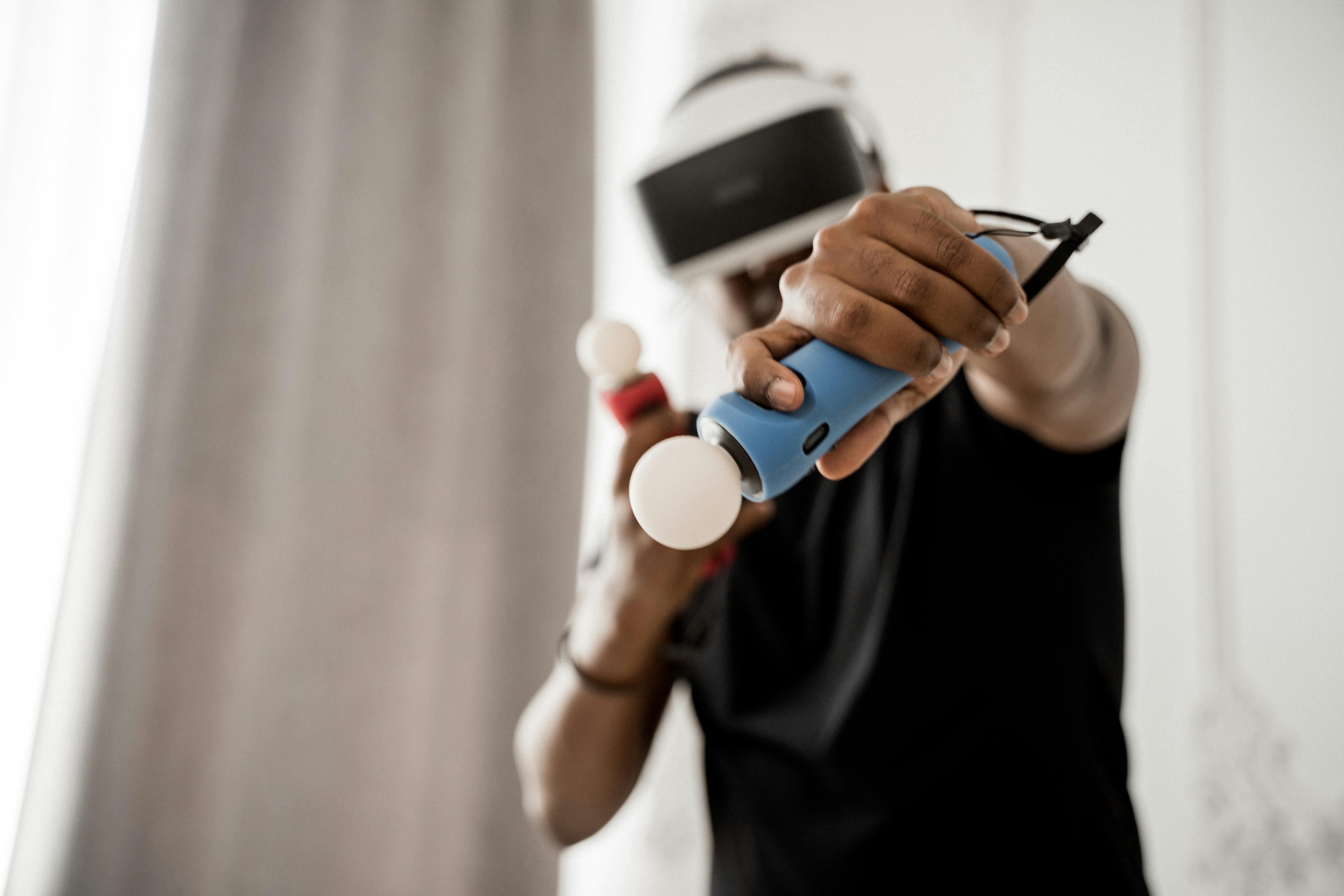
VR Application Design
Create immersive virtual environments with strong focus on user experience and interaction design. This program covers locomotion systems, spatial audio, comfort considerations, and performance optimization for standalone and PC VR headsets.
What You'll Learn
- VR interaction paradigms and controller mapping
- Locomotion techniques that minimize discomfort
- Spatial audio implementation for immersion
- Environment design for room-scale experiences
- Rendering optimization and draw call reduction
- Multi-platform VR deployment
Final Project
Build a complete VR experience from concept through deployment, incorporating multiple interaction methods, spatial audio, and optimized performance. Portfolio pieces range from training simulations to artistic explorations.
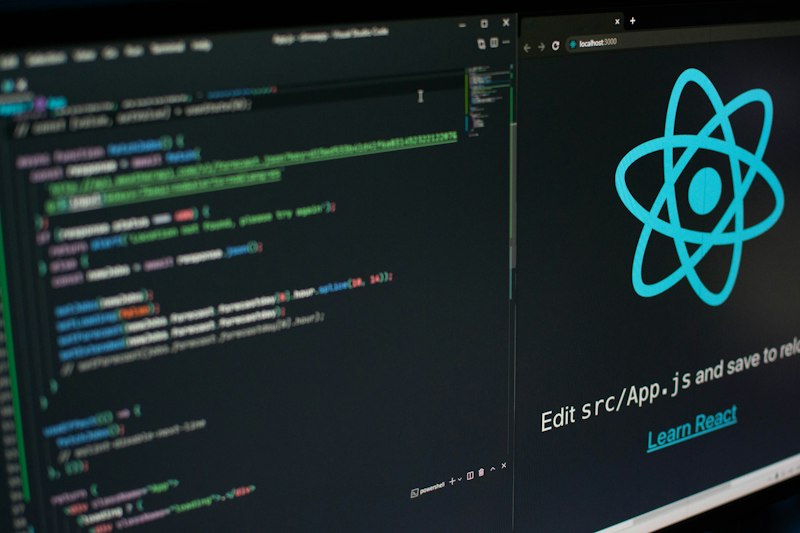
Mixed Reality Programming
Blend physical and digital worlds by building MR applications that understand spatial context. Work with hand tracking, environmental mapping, and spatial anchors to create enterprise-grade mixed reality solutions.
What You'll Learn
- Spatial mesh generation and understanding
- Hand tracking and gesture recognition systems
- Persistent spatial anchors across sessions
- Occlusion and physics interaction with real objects
- Multi-user shared experiences
- Enterprise MR application architecture
Final Project
Develop a mixed reality application that leverages spatial understanding and natural interaction. Examples include collaborative design tools, maintenance assistance systems, and architectural visualization platforms.
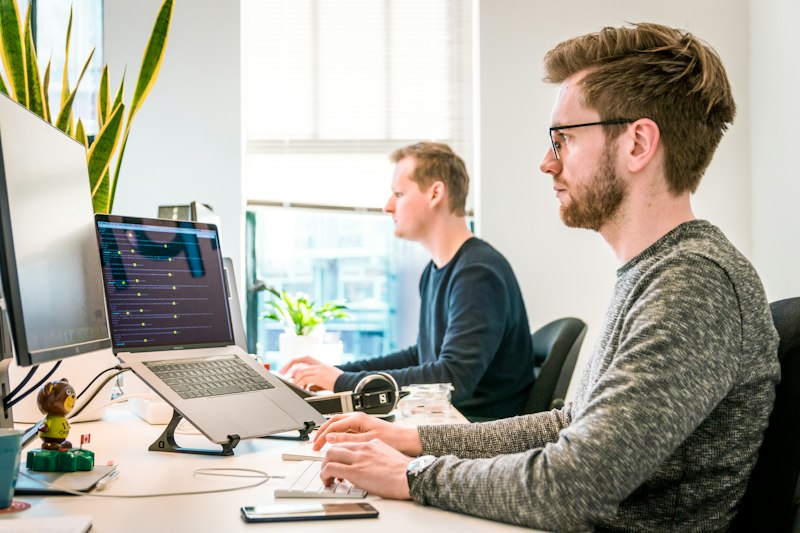
3D Modeling for Immersive Tech
Develop production-quality 3D assets optimized for real-time rendering in AR and VR applications. Master Blender workflows including modeling, UV mapping, texturing, rigging, and game-ready export processes.
What You'll Learn
- Hard surface and organic modeling techniques
- UV unwrapping and texture atlas creation
- PBR material workflow for realistic surfaces
- Character rigging and animation basics
- Polygon count optimization for real-time rendering
- Export pipelines for Unity and Unreal Engine
Final Project
Create a complete 3D asset package ready for integration into immersive applications. Build characters, environments, or props demonstrating professional optimization and visual quality standards.
Unity & Unreal Engine Training
Gain proficiency in both major game engines used for immersive technology development. Compare C# scripting in Unity with Blueprint visual scripting and C++ in Unreal, understanding when to choose each platform.
What You'll Learn
- Unity C# scripting and component architecture
- Unreal Blueprint system and gameplay framework
- Rendering pipeline differences and optimization
- Asset management and project organization
- Physics systems and collision handling
- Platform-specific build configuration
Final Project
Build the same immersive experience in both engines, documenting the workflow differences, performance characteristics, and use case suitability of each platform.

Spatial Computing Workshop
Explore the future of computing interfaces by building applications that respond to gaze, gesture, and voice input. Focus on creating natural, intuitive interaction patterns that blend digital content with physical space.
What You'll Learn
- Eye tracking integration and gaze-based selection
- Gesture recognition and hand pose estimation
- Voice command processing and natural language
- Multi-modal interaction design patterns
- Spatial UI layout and depth-based interfaces
- Accessibility considerations for spatial computing
Final Project
Design a spatial computing application that combines multiple input modalities into a cohesive user experience. Examples include productivity tools, creative applications, and collaborative workspaces.